Cold calling services · Australia
Cold Calling Agency in Australia for B2B Technology Companies
UpliftSales is a B2B cold calling agency in Australia. Our Sydney-based callers work the phones for technology companies: verified direct-dial data, local-presence numbers, tested scripts and a managed dialler, with weekly call coaching. This is B2B telemarketing done properly: consultative calls to researched decision makers, not scripted volume. First qualified meetings usually land in weeks 2-3. Part of our outbound services.



What clients say

“We’ve previously worked with various agencies with disappointing results. Uplift have done a fantastic job! The meetings we’ve had have converted to positive conversations with prospects that fit our ideal customer profile.”

Lulu Dowell
Head of Marketing, Somerville

The problem
Why the phone is a competitive advantage again
Every other outbound channel has been saturated by automated outreach. Inboxes get four times the cold email they did three years ago, and LinkedIn DMs read like a language model wrote them, because one did. In that environment, a prepared human voice on the phone is the most novel interruption of a buyer's day.
The problem is that most cold calling is run as a hustle, not a system. Reps dial unverified switchboard numbers off a bad list, open with "is this a bad time?" (which drops success rates by roughly 40%), leave no voicemail strategy, and get measured on dials instead of conversations. The result is burned numbers, demoralised callers, and a leadership team that concludes "cold calling doesn't work", when what actually failed was the operating model.
Opener
Objection tree
“Just send me an email”
Agree, then ask one qualifying question so the email is worth opening.
“We already have a vendor”
Acknowledge, then ask what they would change about it if they could.
“Not a priority right now”
Ask what would make it one, and when to reconnect.
Illustrative script excerpt. Every client gets scripts written for their buyer.
- 2.3%
- Median dial-to-meeting rate across 204K B2B calls in 2026 (Cognism). Top performers hit 4-5%.
- 13.9%
- Meeting-booking rate with a permission-based opener vs 5.8% without it (Gong).
- 18-22%
- Connect rate on verified direct-dial mobiles vs 8-12% on generic lists. Data quality decides everything.
What’s included
What we build for you
Australian Callers, Based in Sydney
Dialer & Caller-ID Infrastructure
List Building & Mobile Enrichment
Scripts & Objection Frameworks
Phone-First Cadence
Call Coaching, QA & Reporting
The process
How it works
- 1
Strategy & ICP (Week 1)
We define your ideal customer profile, the personas to call, the trigger events worth referencing, and the offer. We agree the connect-rate and meeting targets we hold ourselves to. - 2
List, Infrastructure & Scripts (Week 2)
Target list built and mobile-enriched, dialer and local-presence numbers provisioned, caller-ID warmed, and scripts written with your sign-off. Callers trained on the product. - 3
Launch & Calibrate (Weeks 2-3)
Calling starts at controlled volume. We listen to live calls, tune the opener and objection handling, and confirm the data is connecting before scaling. First meetings usually land here. - 4
Scale & Optimize (Ongoing)
Volume scales across callers, scripts are refined from call outcomes, lists are refreshed, and we report weekly on meetings booked and pipeline created. Coaching never stops.
Packages
Pricing
Launch
For teams testing cold calling as a channel.
$5,000/month
- 1 dedicated trained caller
- Dialer + local-presence numbers
- 1 ICP, mobile-enriched list
- Scripts + objection framework
- Weekly reporting
Scale
Most popular. For teams ready to scale calling.
$9,000/month
- 2 dedicated callers
- Phone-first cadence (repeated call attempts)
- 2 ICPs, ongoing list refresh
- Branded caller ID + spam monitoring
- Weekly coaching + call QA
- Meeting booking + held-rate reporting
Enterprise
High-volume calling for established teams.
Custom
- Dedicated calling pod (3+ callers)
- Multiple ICPs and geographies
- Dedicated strategist + QA lead
- CRM integration + custom reporting
- Performance pricing available
Buyer’s guide
The complete guide to working with a cold calling agency
What is a cold calling agency and what do they do?
A cold calling agency runs the outbound phone function for a B2B company. Unlike a generalist call centre or an offshore telemarketing shop, a specialist B2B cold calling agency provides experienced sales development reps who can hold a real conversation with a technical or executive buyer, backed by the data, dialer infrastructure, and coaching that make those conversations happen at volume.
The core deliverable is qualified meetings on your sales calendar. To get there, the agency owns the full lifecycle: defining the ICP and personas, building target lists and enriching them with verified direct-dial mobile numbers, provisioning the dialer stack and caller-ID, writing scripts and objection frameworks, training callers on your product, making the calls within compliant hours, and reporting weekly on the metrics that matter, connect rate, conversation rate, meetings booked, and meeting-held rate.
A good agency understands that calling does not work in isolation from the rest of your GTM. The best partners help you fit calling into your wider GTM motion rather than selling you isolated dial volume.
Australian callers and local-presence numbers
Who picks up the phone, and what number they see, decides most of the outcome before the opener is spoken. Our callers are Australian-based SDRs working from Sydney, calling the Australian market during Australian business hours. Australian technology buyers hear a local voice who understands the market, not an offshore floor reading a script.
Calls go out from local-presence numbers with branded caller ID, and we monitor every number daily for spam-likely flagging, rotating numbers before carriers flag them. Combined with verified direct-dial mobile data, that is what moves connect rate from the 8-12% typical of generic lists towards the 18-22% range on clean, mobile-enriched data.
Deciding between building calling in-house and outsourcing it is really a hiring decision: salary, ramp, turnover, and management overhead. We cover the full cost and ramp comparison on our outsourced SDR services page, and in our guide to in-house vs outsourced SDRs. You can also model it with our SDR ROI calculator.
Cold calling vs telemarketing
The words get used interchangeably, but they describe two different operations. Traditional telemarketing is high-volume and scripted: a large floor of callers, often offshore, working a broad list, reading the same pitch to everyone and measured on dials per hour. It suits simple consumer offers where the decision is made on one call.
B2B cold calling, the way a specialist cold calling company runs it, is consultative. Australian-based SDRs research a smaller list of accounts that fit your ICP, call named decision makers on verified direct dials, open with permission, ask discovery questions and qualify against your criteria before booking anything. It is judged on conversations and meetings held, not call volume, because the buyer is a technology leader with a long buying cycle, not a household picking a phone plan.
That difference is why we describe what we do as B2B telemarketing done properly rather than telemarketing. If what you want is the outcome, qualified meetings in your AEs' calendars with handoff notes, see our B2B appointment setting service. If you want sales-qualified conversations feeding a wider pipeline programme, see B2B lead generation. Both run on the same calling engine described on this page.
Cost of a cold calling agency
Pricing tracks caller quality and what is included. The cheap end, offshore dialer farms at $1,000-$2,500 per month, gives you script-readers paid on dial volume calling unverified numbers. That model rarely works for B2B technology because the buyers are too senior and the brand damage is too costly.
Specialist B2B cold calling agencies charge $5,000-$9,000 per month per caller for a fully managed programme including trained callers, dialer infrastructure, list building, scripts, and coaching. UpliftSales packages start at $5,000/month and scale from there. Enterprise pods with multiple callers, geographies, and a dedicated strategist start at $15,000 per month, often with performance-based pricing tied to meetings or pipeline.
The right metric is cost per qualified meeting, not monthly fee. A $5,000 programme that books 12 meetings is roughly $415 per meeting; a $2,000 dialer farm that books two is $1,000 per meeting and a damaged brand. Cheaper is not cheaper if it does not produce held meetings.
How to choose a cold calling agency
Most cold calling agencies look identical from the outside. The differences show up after you sign. Here is what separates a real cold calling company from a dialler farm.
Ask about data and caller ID. A serious agency talks about verified direct-dial mobiles, list enrichment, local-presence numbers, and spam-likely monitoring without prompting. If the connect-rate plan is vague, the meetings will be too, data and caller-ID hygiene decide whether anyone picks up.
Ask who is actually calling. You want experienced reps who can sell into your market, not script-readers. Ask to hear a sample call, ask how callers are trained on the product, and ask how coaching works week to week.
Look for B2B technology specialisation. Calling a CISO is nothing like calling a small-business owner. An agency that knows your buyer, their priorities, and their objections will out-book a generalist every time.
Check the metrics they report. Good agencies report conversation rate and meeting-held rate, not just dials and bookings. Dial counts are vanity once the activity floor is cleared. We cover the full scorecard in our SDR metrics and KPIs guide. For the wider question of how to evaluate a managed SDR team, see our guide to choosing an SDR agency in Australia.
Terms and risk reversal
Buying outsourced cold calling services is a commitment, so it helps to know what you are protected by before you sign. We do not offer guaranteed meeting numbers; we offer terms that keep the risk on our side of the table:
- Three-month minimum, then rolling monthly. No 12-month lock-in. Three months is enough to prove or disprove the motion; after that you stay because it works.
- SDR replacement at no cost to you. If a caller leaves, we cover their replacement's ramp at no additional cost. If a caller underperforms against agreed activity and quality benchmarks, we flag it in weekly reporting, run a two-week improvement plan and swap them out if the numbers do not move.
- Weekly reporting on the numbers that matter. Connect rate, conversations, meetings booked and meetings held, every week, so problems surface in week four, not month four.
- You keep everything. Scripts, lists and call notes stay with you when the engagement ends.
For what to look for in any agency contract, see our guide to SDR agency contracts, terms and guarantees.
What to expect in months 1-3
Month 1: Foundation. Week one is strategy, ICP, and offer. Week two builds the list, enriches mobiles, provisions the dialer and numbers, and writes the scripts while callers train on your product. Calling starts in week two at controlled volume so we can calibrate the opener and confirm the data connects. First meetings often land in weeks two to three.
Month 2: Calibrate and book. We listen to live calls, tune objection handling, and fix any data or caller-ID issues dragging connect rate. Most clients see 8-15 meetings as the motion settles. This is where the permission-based opener and disciplined cadence start compounding.
Month 3: Scale and optimise. Volume scales across callers, scripts are refined from call outcomes, lists are refreshed, and call timing is tuned to when your buyers pick up. Most clients reach a steady 8-15 qualified meetings per month per caller and a predictable rhythm of pipeline.
B2B cold calling benchmarks 2026
Knowing the numbers separates a working programme from theatre. These are the benchmarks we hold ourselves to across B2B technology calling in 2026.
- Connect rate: 8-12% on generic lists, 18-22% on verified direct-dial mobiles, 25%+ for top callers
- Dial-to-meeting rate: 2.3% median, 4-5% for top performers (Cognism, 204K calls)
- Daily activity: ~44 dials and 4+ quality conversations per caller per day (Bridge Group)
- Permission-based opener: 13.9% meeting rate vs 5.8% without (Gong)
- Voicemail callback: 4-6% in mid-market B2B SaaS; leave one on every third dial
- Meeting-held rate: the metric that matters, booked means nothing if they do not show
If your programme is below these numbers, the cause is almost always data quality, caller-ID flagging, or weak coaching, rarely the script alone. We diagnose the root cause before scaling volume.
Common cold calling mistakes we fix
When clients come to us from a previous agency or an in-house attempt, the same mistakes repeat.
Calling bad data. Generic switchboard numbers and stale lists tank connect rates. We rebuild lists with verified direct-dial mobiles before a single call.
Ignoring caller ID. Heavy dialing trips carrier spam-likely flags, and a flagged number stops connecting. We monitor and rotate numbers and use local presence to protect pickup rates.
Weak openers. "Is this a bad time?" and "how are you today?" signal a pitch and drop success rates. We run permission-based openers that name the prospect, name the caller, and ask for a defined slice of time.
Measuring dials, not conversations. Volume targets push reps into parallel-dialer churn. We measure connect rate, conversation rate, and meeting-held rate.
No coaching loop. Without weekly call reviews against a scorecard, callers plateau. Coaching is the difference between a 2% and a 5% dial-to-meeting rate.
Where we call
Cold calling across Australia and New Zealand
Our callers sit in Sydney and call decision makers right across the region: Sydney, Melbourne, Brisbane, Perth, Adelaide, Canberra and New Zealand. Most of our clients sell nationally, so one team covering every state beats stitching together separate campaigns.
Pickup rates depend on calling people at the right point in their own day, so call blocks are planned in the prospect's local time, not ours. Early Sydney mornings suit New Zealand, the middle of the day suits the east coast, and later Sydney afternoons suit Perth.
Accent and context matter on a cold call. A senior Australian buyer gives a local caller a few more seconds, and those seconds are where the permission-based opener earns the conversation. Our SDRs know the market they are calling: end-of-financial-year budget timing around 30 June, government and enterprise procurement, and the competitors your buyers already use.
Sydney, Melbourne, Canberra (AEST/AEDT)
Adelaide and Perth
New Zealand
Australian compliance
Cold calling compliance in Australia
Do Not Call Register Act 2006
Telemarketing calls to numbers on the Do Not Call Register need the person's consent. Numbers used mainly for business purposes are not eligible to be registered, but a mobile used for both work and private life can be registered if private use is the main use. Because we call direct-dial mobiles, every list is checked against the Register before calling.
ACMA Telemarketing Industry Standard
The Telecommunications (Telemarketing and Research Calls) Industry Standard 2017 applies to telemarketing calls whether or not the number is on the Register. The ACMA accepts complaints about calls to business numbers when a caller has not met it.
- Calling hours: 9am-8pm weekdays, 9am-5pm Saturdays, unless the person has consented to another time
- No calls on Sundays or national public holidays
- Caller name and purpose of the call stated at the start
- Calling line identification enabled, never a private number
- Call ended immediately when the person asks
Privacy Act 1988 and the APPs
The Australian Privacy Principles apply to organisations with annual turnover above $3 million, and to some smaller businesses. A named decision maker's contact details are personal information. APP 7 (direct marketing) gives people the right to opt out and, on request, to be told where their details came from. Opt-outs go on a central suppression list that carries across every campaign.
Spam Act 2003
The Spam Act applies to commercial email, SMS and instant messages, which need consent, sender identification and a working unsubscribe. We are phone-only and do not send unsolicited commercial email or SMS, so the Spam Act only becomes relevant if your own team follows up by email.
General information, not legal advice. Check the current rules at acma.gov.au and oaic.gov.au, or ask your legal adviser how they apply to your business.
Client results
Cold calling case studies
Clarizen
350% pipeline increase
Phone-led outreach drove a 350% increase in qualified pipeline within six months.
Read case studyVersa Networks
400% APAC pipeline growth
Region-specific calling with local-presence numbers and localised talk tracks drove 400% pipeline growth across APAC.
Read case studyTotalMobile
12+ meetings per month
A managed calling programme that consistently books 12+ qualified meetings per month with enterprise field-service buyers.
Read case studyTestimonials
Trusted by B2B technology companies
“Uplift has been our partner in providing a steady stream of new business meetings since our launch in the ANZ market and has contributed significantly to our pipeline and accelerated brand awareness across the region.”

“To anyone willing to grow their pipeline, I would 100% recommend UpliftSales. They have been very responsive, flexible and great at adapting to our needs. We saw results within just one week.”
“After engaging with UpliftSales we ended up with a number of opportunities with the right people in the right organizations. Really impressed with their professionalism.”
Guides
Related cold calling resources
Calculators
Free outbound tools
Services
Other UpliftSales services
B2B Lead Generation
Phone-led lead generation: sales-qualified conversations, not MQLs or form fills.
Learn moreB2B Appointment Setting
The outcome: qualified meetings in your AE calendars, with handoff notes and no-show follow-up.
Learn moreOutsourced SDR Services
A dedicated SDR instead of an in-house hire, without the ramp, turnover, or recruitment cost.
Learn moreSDR Agency Australia
How to choose a managed SDR team, and how our pod model works.
Learn moreMeet the founder
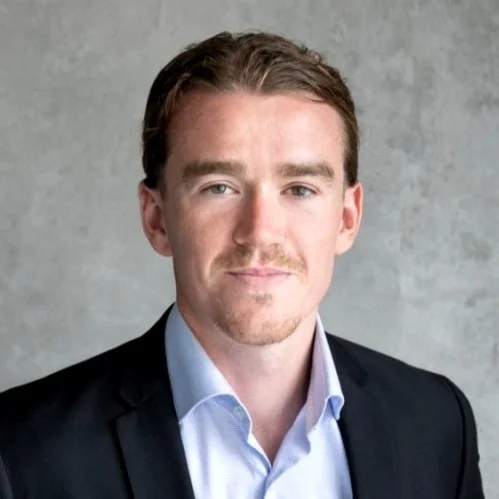
Jamie Partridge
Founder, UpliftSales
Every UpliftSales campaign starts with a personal strategy call with Jamie. He has spent 10+ years building and running outbound SDR functions for B2B technology companies, across SaaS, cybersecurity, AI and fintech, from pre-seed startups to public-listed. You scope your campaign directly with the founder, not an account manager who hands it off.
FAQ
Cold calling agency FAQs
Still have a question?
Jamie personally reads every enquiry and replies within one business day.
Ask us directlyWhat does a cold calling agency actually do?
A cold calling agency runs your outbound phone motion end-to-end: building and enriching target lists with direct-dial mobile numbers, provisioning dialer and caller-ID infrastructure, writing scripts and objection frameworks, training callers on your product, making the calls, and booking qualified meetings on your sales team's calendar. The deliverable is meetings held, not dials made. A good agency also runs a disciplined cadence of repeated, well-timed call attempts rather than a standalone blitz.
Is cold calling still effective in 2026?
Yes, and more than it has been in years. Inbox saturation and AI-generated email fatigue have made the phone the channel B2B buyers see least often, so a real human voice now stands out. Cognism's 2026 analysis of 204,000 calls still shows a 2.3% dial-to-meeting rate, with top performers at 4-5%. The teams winning treat calling as an instrumented system, scripts, coaching, and the right data, not a numbers game.
How many meetings can I expect?
Most clients see 8-15 qualified meetings per month per dedicated caller within 90 days, depending on ICP, offer, and data quality. The first meetings usually land in weeks 2-3, faster than cold email because there is no domain warm-up period. We agree targets up front and report against meeting-held rate, not just meetings booked, because no-shows are where weak programmes hide.
How much does a cold calling agency cost?
Most B2B cold calling agencies charge $4,000-$9,000 per month per caller depending on seniority, list quality, and whether dialer infrastructure is included. UpliftSales packages start at $5,000/month for a fully managed programme including a trained caller, dialer stack, list building, scripts, and coaching. Performance-based pricing is available for clients with proven product-market fit. The metric that matters is cost per qualified meeting, not monthly fee.
How is this different from offshore telemarketing?
Offshore telemarketing usually means script-readers paid on dial volume, calling unverified switchboard numbers with a generic pitch. That model damages your brand with technical and executive buyers. We use experienced SDRs who understand B2B technology, call verified direct-dial mobiles, run permission-based openers, and handle objections with judgement. The difference shows up in connect rate, meeting-held rate, and whether your brand survives the campaign.
Is cold calling the same as telemarketing?
Not the way we run it. Telemarketing usually means high-volume, scripted calling measured on dials. Our B2B cold calling is consultative: Australian-based SDRs call decision makers we have researched at accounts that fit your ICP, have a real conversation about their problem and qualify against your criteria before booking anything. It is phone only, with no email or LinkedIn outreach, and it is judged on qualified meetings, not call volume.
What is a good connect rate for B2B cold calling?
Expect 8-12% on generic B2B lists, 18-22% on verified direct-dial mobile numbers, and 25%+ for top callers working a clean list. If your connect rate is below 8%, the problem is almost always data quality or spam-likely caller-ID flagging, not the script. We fix data and caller-ID hygiene before touching talk tracks, because no opener works if nobody picks up.
Do you use parallel dialers or AI dialers?
Selectively. Parallel and AI dialers boost raw volume but trip carrier spam-likely flags quickly, which collapses pickup rates within weeks if used carelessly. We use them for high-velocity SMB motions and avoid them for enterprise accounts where caller reputation and a human first impression matter. Volume is never the goal, connected conversations with the right people are.
How do you stay compliant with calling regulations?
We scrub every list against do-not-call registries in the relevant markets, including Australia's Do Not Call Register, honour opt-outs immediately across all future campaigns using a central suppression list, respect calling-hour windows in each prospect's time zone, and keep records of consent basis and call outcomes. In Australia, calls follow the ACMA telemarketing Industry Standard: 9am-8pm weekdays and 9am-5pm Saturdays, no Sundays or national public holidays, caller name and purpose given at the start, calling line identification on, and the call ended when the person asks. For regulated industries and any calling outside Australia we align scripts and disclosures with local requirements before any caller dials.
Is cold calling legal in Australia?
Yes. B2B cold calling is legal in Australia when it follows the telemarketing rules. The Do Not Call Register Act 2006 restricts telemarketing calls to numbers on the Do Not Call Register without consent, and numbers used mainly for business purposes are not eligible to be registered. The Telecommunications (Telemarketing and Research Calls) Industry Standard 2017 applies to telemarketing calls whether or not a number is registered, and sets the permitted calling hours, what the caller must say, caller ID and when a call must end. Contact data is also covered by the Privacy Act 1988 for organisations it applies to. This is general information, not legal advice.
Can business phone numbers be on the Do Not Call Register?
Numbers used mainly for business purposes are not eligible for the Do Not Call Register. A mobile used for both work and personal calls can be registered if it is used mainly for private purposes, which is why we check lists containing direct-dial mobiles against the Register before calling. Calls to business numbers still have to meet the ACMA's telemarketing Industry Standard on calling hours, identification and caller ID.
Are your callers based in Australia?
Yes. Our SDRs are Australian-based and work from Sydney, calling during Australian business hours. Australian B2B technology buyers hear a local voice, calls go out from local-presence numbers, and nothing is routed through an offshore call centre.
Do you provide the callers or do we?
We provide trained callers as a fully managed service, you do not hire, onboard, or manage anyone. Each caller is trained on your product and ICP and ramped on your scripts before going live. You review and approve the talk tracks, review call notes and outcomes, and stay in control of brand voice and qualification criteria. When the engagement ends, you keep the scripts, lists, and call notes.
Do you also run email and LinkedIn outreach?
No. UpliftSales is a cold calling agency: our SDRs work the phones only. Each decision maker gets repeated, well-timed call attempts across an 18-21 day cadence, and every conversation, outcome and booked meeting is logged against the prospect in your CRM.
Ready to put the phone back to work?
Contact us to see how a managed cold calling programme would work for your B2B technology company. We'll review your ICP, share connect-rate benchmarks for your market, and outline what month one looks like.